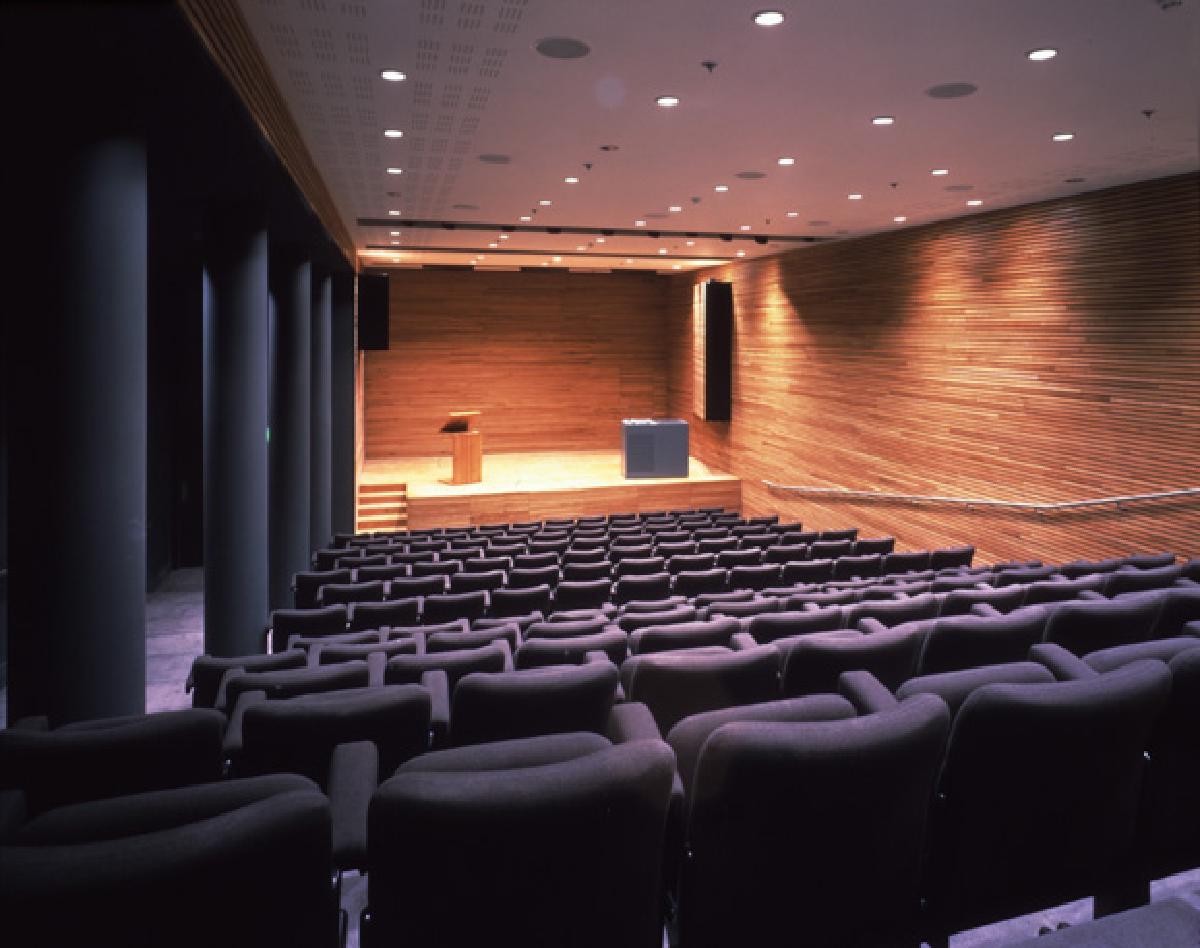
National Portrait Gallery, London, 26 November 2014
I was invited to speak at this event to explore whether human factors are being overlooked in the race for innovation, and how technology is changing the way we understand and experience the world around us. It was PA Consulting’s tenth annual innovation event, and more than 100 guests joined us for the evening. The discussion focused on balancing business efficiency with delivering the right outcomes.
I gave a keynote address on the role of human factors in technology-led change, and then joined the panel debate, chaired by Alan Young, PA’s IT and digital transformation expert, alongside:
- Ed Gardiner, Behavioural Design Lead, Design Council
- Clare Salmon, Group Brand Director, Royal London
- Dr Sukhwant Bal, expert in leadership and corporate psychology
The discussion ranged across the importance of culture and leadership within an organisation, how wearable technology can be used to enhance the human body, and the arguments for and against artificial intelligence, automation and machine learning. PA’s summary of the debate drew out four themes:
- Innovation should be driven by the need to improve lives. Compassion is what is missing from the innovation process. Organisations should aim to improve the lives of others, which means understanding better what people want, and then asking how to get from good analytics to more forward-thinking and responsive technologies that meet those requirements.
- Confidence in the machines that propel change is essential. Data and technology now play a central role in how organisations operate. Technology has generally supported the administration of a business, but it can now deliver services in a radically different way. People have to trust the services they use, and organisations need to be confident that machines are driving the right change.
- A partnership between humans and machines is crucial. Machines are good at detecting patterns and forecasting trends, but entrusting one with something that needs humour, subtlety or irony calls for care. It has to be a partnership, not a battle, and nowhere is that partnership more possible than in wearable technology.
- Start with the customer and challenge self-limiting beliefs. Real change needs organisations to see their customers as more than a metric, and every member of staff to care about them. Everyone has to innovate, otherwise change is led by the few. The most advanced technology we have is the human brain.